
DCCS 508
Module one
Reading & Writing
In this week’s reading from our course book and our other course articles from The Podcast Host, I was able to dive right into what really podcasting is. The textbook gave a great overview of what sound is and why understanding sound basics is essential to podcasting and so much more. I also really appreciated the diagrams about sound and how it enter’s the ear drum and how it is measured. As someone who did not know much about sound and sound design coming in to this course, I found learning more about it very interesting and informative.
From one of our course articles this week about podcast scripting, I found it very interesting at how a script should be made and what it should look like. Every episode needs some sort of script, the article mentioned and it was very interesting to think about this and it made me wonder if even the best podcasts that have hundreds of episodes, use scripts for every episode. I can definitely see why podcasts do this and can certainly understand the bullet point plan for talking points on each podcast episode.
The next article talks about how specifically you should write a script for a podcast episode and I found this continuation very intriguing. It continued to talk about scripts and how to make them work for each of the episodes that you produce. I have worked on podcasts before in a very limited role so reading this article helped me to understand how I could of had a better script and used some of the tips the author mentioned to help my episodes flow better.
Another article, which I found the most interesting read of this week talked about taglines, hooks and what words one should use in a podcast. The author gave many different ideas and types of podcast taglines that really resonated with me and things that I have never heard of that I can certainly use in the future in and outside of this class. As I continue to learn more about sound design, podcasting and video production in this course, this article may prove critical to me understand how to continuously improve my skills. The author of this article also broke down everything into sections which is significantly helpful.
The final two articles listed in this week’s module readings talk about perfecting podcasting and how to do it. While it is definitely hard to perfect podcasting and I really think that one can always improve in anything that they do, this article did help put it more into perspective and how to be the best you can with podcasting and sound design.

Research to Inform
All of these podcasts could be considered world famous and well known, each for their own particular reasons and each have their own purposes and talking points. Most of them I have listened to myself and do enjoy. They are all great examples of successful podcasts that have generated a significant amount of income along with having thousands of listeners per episode. I choose these as my examples as people in this class and around my age would definitely know what they are and have heard of them before or have listened to them directly. They are all incredibly popular and influential and all have their own topics.
Create
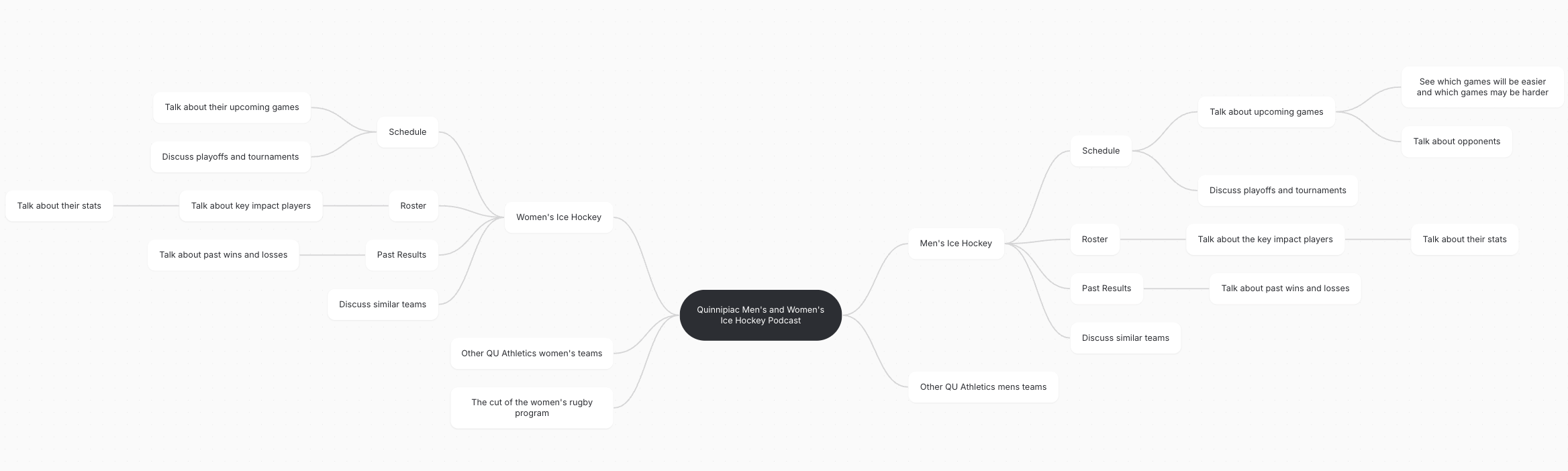
Mind Map:
Pre-Production Planning Document:
Module TWO
In this week’s reading’s that were prepared for us in module two we learned about making professional audio right at home or in a more relaxed environment along with editing that audio to make it as best as it can be. Both articles focused on making professional audio and how to edit it so it sounds amazing.
In the first article the author talks about how there are seven secret tricks to make clean and professional audio right at home. They went over everything from physically setting up the microphone to more technical things like making sure the levels are sounding good and being careful when editing. It gave me a broad overview of tricks and advice to getting clean audio just in my own house, which is exactly what I will be doing for this class, making it easy for me to do so and understand.
I found it every interesting that this article also went very into detail about certain equipment that people may have to help with professional audio. As someone who does not know much about recording professional audio for podcasts and other audio projects, it helped me to further understand what equipment would be good to have and how to use it or even what it can be used for. Along with all that I also found it interesting on how the article mentioned how there should be multiple takes done to make sure that the audio is clean, crisp and professional.
In the second article, mainly offering advice for professional sound and editing audio, the author went over a broad range of topics that will definitely help anyone working on any audio projects. The author first introduced a-roll and b-roll, common phrases in photo and video editing along with also talking about keeping a consistent look and feel across the audio and video, if there is a video aspect to the project.
The author shared the concept of the fade to black transition and connected it back to how it can be easier to fix video transitions then to keep audio feeling the same and I found this especially interesting. I also liked how the author talked about fixing the imagery and video aspect after you have clean audio and it made me think about how I can implement this into my workflow so I have clean audio and then can go and fix the imagery and other aspects of audio in whatever project I am working on.
Overall, both of these articles talked about incredibly useful tips and tricks to get clean audio that will certainly help me as I progress though this course and start to work on meaningful projects. I will definitely be able to use these pieces of advice and they will be greatly useful in my future.
Reading & Writing
Research to Inform
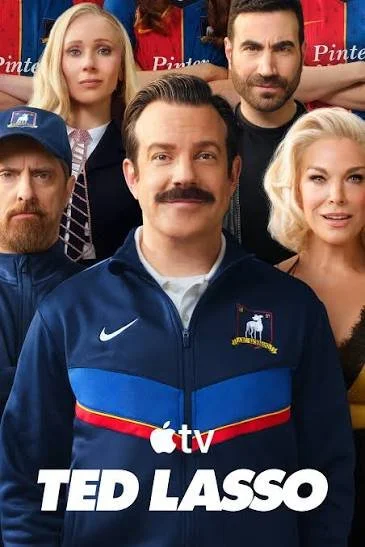
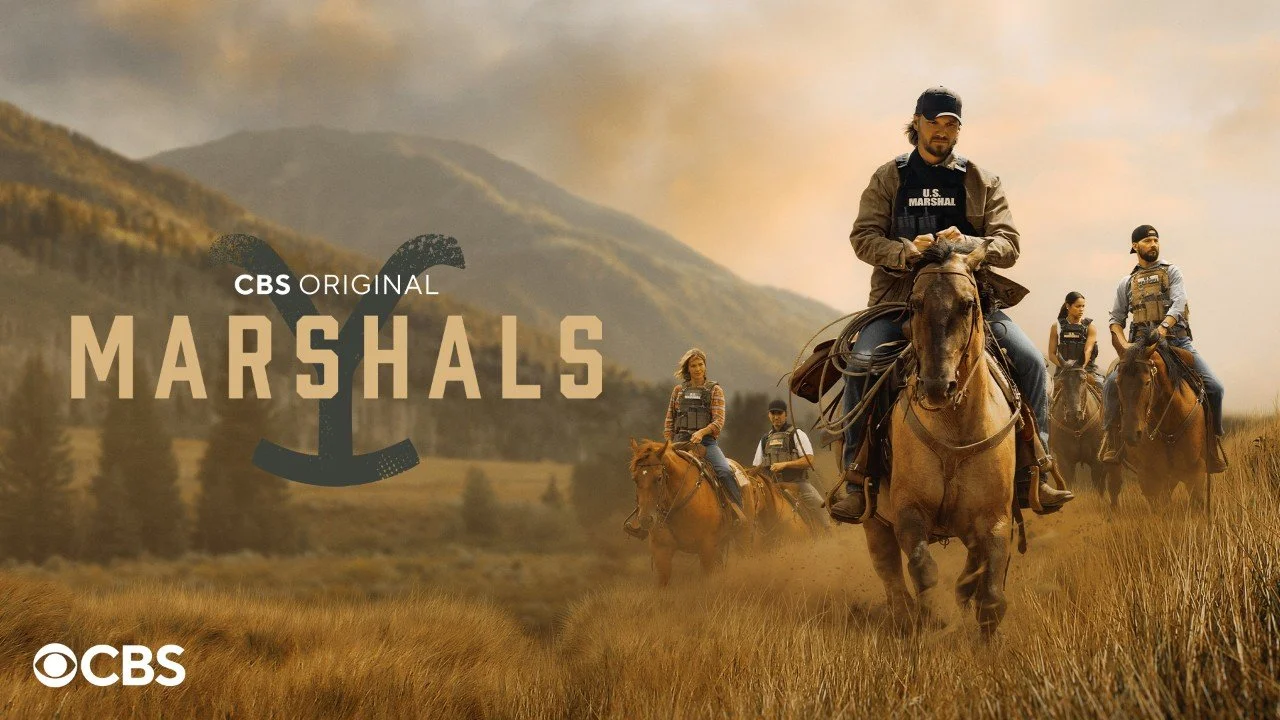
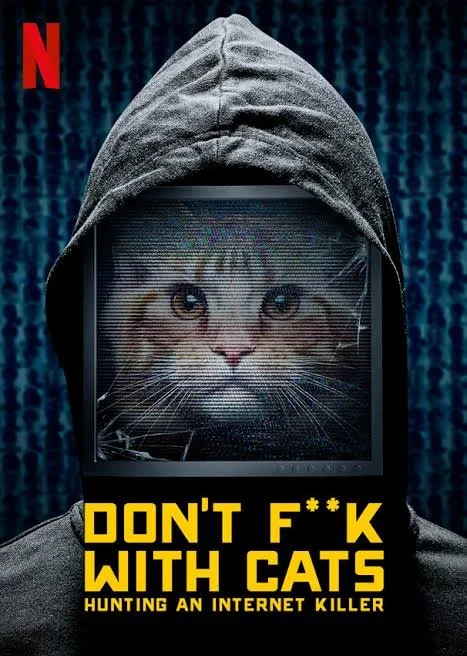
I selected these three TV shows as they both have audio and video elements to them and have superb production assets to them and are good examples for this prompt. One is a Netflix documentary showing various scenes and interviews and voice over, all with crisp and clean audio that tells an incredible story. The other two are longer series that are still currently running on TV today, Ted Lasso being a more comedic show offered on Apple TV and Marshals a more realistic and dramatic show based off the show Yellowstone. Both of these shows have video and audio and have great sound effects that immerse the viewer directly into the show to make you feel like you are really there with the cast.
Create
Module Three
Reading & Writing
This week’s reading’s overall helped me and probably many others dive much further into video production as a whole and implement what we learned about audio and connect it to the visual aspect of video production. The reading’s in and outside of our textbook have begun to give me a very good idea of what goes into video production and how to have a successful shoot, proving to be very important as I continue on in this course and as I begin my professional career in the ever changing digital media landscape.
The textbook chapters that we were assigned for reading this week helped me to gather my thoughts and ideas around video production and how to be most successful. Learning about composition, camera moves and so much more definitely helps me to put it all into perspective.
The first chapter in the textbook that we were tasked with reading this week helped explain camera basics and what a camera really is and does. This definitely helped my knowledge of cameras and helped me further to understand them. The next two chapters helped to guide me on composition techniques that I have not been familiarized on yet, and they helped to guide me on how to use them in my coursework in professional career. I also found the part about color balance to be very insightful and informative as it is something that I have not thought into much before. The final textbook chapter that was required this week went in to talking about montages and this was one of the most impactful of them all. I learned more about what goes into making a montage and how to do it successfully. This will prove crucial as I begin making a montage as our next assignment in this course and it will certainly help me out.
In one of the two required article’s this week, the piece talked about a video production checklist and what techniques to use to produce the best work possible. Video production project management is so important this article really helped me to further understand just that. I have used checklists and idea lists in the past and this helped me solidify my thoughts on the topic and how I can use what the author talked about in this article in the upcoming video montage that I am working on creating.
The second article from this week talked more about storyboarding and how to create a good storyboard that will carry over when shooting the video. I found this article to be extremely helpful especially as someone who has not done a ton of storyboarding for videos or any projects in general, I liked how it started from the very basics and then got into the more complex things. The author really helped me to better understand it and how I can not only use storyboarding techniques in this course but as I continue in the digital media space in my career.
Research to Inform
All of these movie scenes show different composition techniques and they show them in a very good and almost cinematic and dramatic way which helps make them exceptional examples. The Star Wars scene with Luke Skywalker shows an excellent example of the rule of thirds, how the suns are placed along the two rule of thirds vertical lines and how Luke is off in the distance, it all works perfectly. Whiplash offers a great example of lead room in that one scene with Miles Teller and J.K. Simmons both looking at each other and the screen visually giving them lead room. Oppenheimer is my final example and it offers a visual masterpiece in terms of depth of field and how it is shot. Many of the shots in Oppenheimer show a very shallow depth of field which helps to add a piece of vertical storytelling to the overall story.
Module Four
Reading & Writing
In this week’s assigned course reading we were tasked with reading chapter four of the above course textbook. This chapter focuses on everything regarding post production and editing and it has shown that capture good video and audio is essential but if you don’t know how to edit and piece everything together, you lack fundamental video production skills. Editing is necessary to everything related to video production and this chapter has definitely made that clear and helped me further understand that simple fact.
Some things I especially liked in this chapter was the thought of editing on paper and editing and changing things before the camera even starts rolling. This fact alone can help anyone process the footage faster in post production and make the storyline more clear when the footage gets put together in the editing stage. The ideas around using narration and dialogue as part of the editing process was also a huge takeaway from this chapter for me and the author did a great job of explaining this. Along with those two parts of this chapter, I also enjoyed reading the section that talked about pacing when editing and how fast or slow you want the video to be and also making sure each shot is unique and different. These two techniques will prove to be very useful in future projects in this course and I am glad that the chapter introduced them to me and gave me a broad overview of them.
This chapter overall did a great job of explaining certain steps and techniques of the post production process and how to utilize every technique and step to the best of its abilities. Using what I learned here in this chapter will help me to put everything together when I work on my montage video this week. Everything I have learned so far from this textbook has helped me to further advance my knowledge of video production and I hope to be able to continue to use these skills in this course and my professional career.
Research to Inform
Reading & Writing
Research to Inform
In this week’s assigned reading’s from our course book, we learn more about video production and how to put everything together to have the best final product possible. Basic sequencing and other aspects of building out a timeline on the editing software of one’s choice are crucial to being a talented video production expert. In the other chapter the authors talks about the 180 degree rule and the axis of action and not braking that rule and how crucial it is.
Both of these chapters introduced new, advanced, concepts to me that I will definitely be using in this module as we advance into multi cam editing and multi cam video production. Learning how to keep the screen direction and what that really means definitely will help me as I go create my next video with two separate cameras. It will help me figure out where I can put the cameras and in what specific location they really belong.
In the basic sequence chapter, more concepts were introduced into my video production world and they will also help me when I go to record and edit this module’s upcoming video project. Piecing everything together and having it make sense is one of the main goals of every video production project and this chapter helped me to simplify that concept. I especially liked in this chapter the use of illustrations and characters in the mock up camera shots because it helped me further visualize the words that the author was writing in the book.
Both chapters will help take my skills in video production to the next level, especially in this week’s video that I have to make and I am excited to create that and put the info from these two chapters into practice.
All of these examples show movies and certain scenes within them that have very good continuity between camera shots while also using various angles. They use the different angles in such ways that allow the editor to be able to piece it all together in the final product while maintaining good overall flow and continuity. Mad Max Fury Road is a very popular movie that came out back in 2014 and it offers many different angles throughout that above scene and the overall movie while keeping a good flow and good continuity. The Matrix and John Wick from 2014 also offer many different camera angles while maintaining good continuity throughout those above scenes and the movies in all.
Module Five
Create
All of these examples show different video and editing styles and each of them are different and unique in their own ways. Mr. Beast is known for his fast paced, intensely edited videos that have many text elements and special effects showing the amount of true bandwidth he really has and the creative possibilities that he continues to push with every video. Martijn Doolaard is a YouTuber that builds and fixes stone cabins in the forests of Italy and focuses on a more realistic documentary and adventure style that makes his videos more longer form and feel more authentic. Martijn’s videos also tend to have a specific look and feel to them in terms of color balance and what he wants the videos to look like, giving him advantage over other creators. Casey Neistat, another hugely famous content creator has a specific and authentic “vlog” style to his videos that are consistent across all his youtube videos and content on other social platforms. You can also tell that he uses a very good camera with a lens that has a very fast aperture offering a lot of background blur. This gives his videos a very specific look to them, making them look extremely professional and high quality.
Create