the psychology of color in marketing
Design made on Canva
When it comes to looking at color in artwork and graphic design, the psychology behind it has always been more important to me and something that I am more interested in compared to other aspects of color theory. I think that being able to understand what colors are better for certain designs is very important in terms of visual design and how we showcase our work. I am not a professional graphic designer by any means and have very minimal graphic design experience but am trying my best to use colors and make designs that are impactful. It is something that I want to be able to grow in and expand my skills, but it has become clear to me that takes a very long time.
As someone who wants to build a career in marketing and communications, I found that colors influence perception and that is especially important when it comes to branding and marketing. This article from HubSpot, a popular CRM tool, talks about color psychology for marketing and I found that to not only help my perception of certain colors but to also inform me on how those colors play into marketing. The article continued to speak on how entrepreneurs use colors for their own brands and business and how 90% of initial impressions come from colors. Colors can also increase brand awareness and recognition by 80%, the article mentioned. All these statistics really helped to paint the overall picture of how colors and the psychology behind them can help to build a brand and have its impacts on marketing that brand.
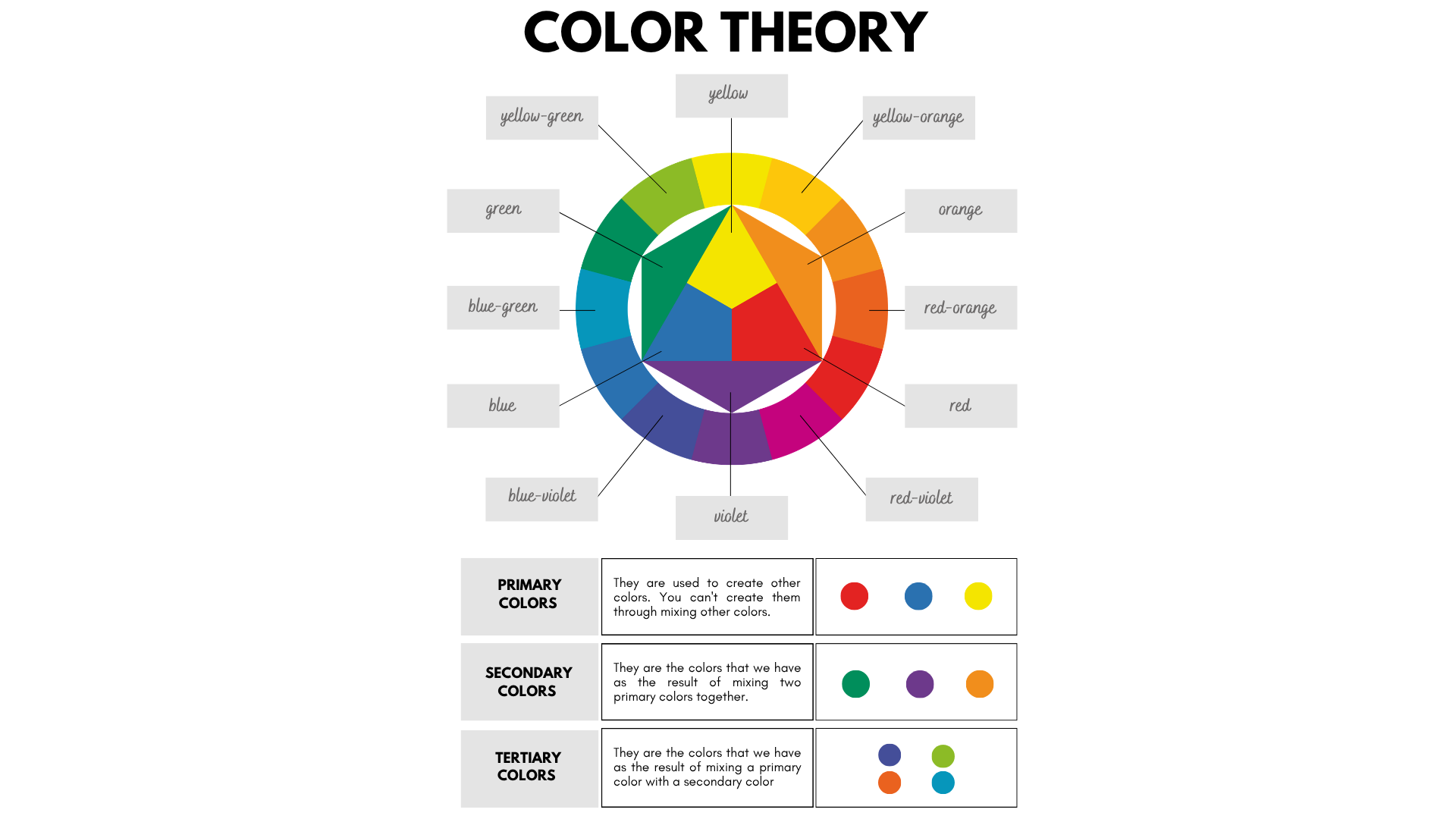
Another article that I read in regard to this topic of color theory and the psychology of color was one from Smashing Magazine, and it went really into depth on color theory and why it is so important. Learning more about the primary colors and how to implement them into my future design work was very impactful to see and understand, especially from an author who has years of web and graphic design experience. I also learned through this article that secondary colors are also very impactful when it comes to graphic and interactive design. All of this will help me when I go to make future designs and think about the behind the scenes work that must happen in marketing design for a brand to be successful.
In 2026, there is so many ways to make art and create any type of visual design, especially with AI, and understanding that and how we create as become more important than ever. That is exactly why understanding the psychology of color is more important than ever, AI can’t create a perfect design for the prompt you inject into it every time. Understanding color palettes and how we use color will prove to be essential for graphic and interactive design as time goes on. Along with that, adaptation will most certainly be needed for working professionals in the graphic design and marketing fields as everyone continues to learn more about how colors impact marketing perceptions and so much more.